
I absolutely adore these No-Spread Buttery Shortbread Cookies Recipe because they capture the essence of classic shortbread in such an easy and foolproof way. I love how buttery and tender they turn out, with that perfect crumbly texture that melts in your mouth without needing any fancy spreading or complicated handling. Whenever I want a simple, elegant treat that feels homemade but impresses everyone, this is my go-to. The rich flavor of pure butter combined with a hint of salt makes these cookies irresistibly delicious every single time.
Why You'll Love This No-Spread Buttery Shortbread Cookies Recipe
To me, the magic of this shortbread recipe is in its simplicity and incredible buttery flavor. The richness from quality unsalted butter shines through in every bite, giving these cookies a melt-in-your-mouth texture that feels indulgent but never heavy. I also appreciate how the slight sprinkle of kosher salt balances the sweetness perfectly, elevating the flavors without overpowering the delicate dough. Each cookie has this lovely crumbly yet tender bite that makes them feel like a little piece of bliss.
Another thing I love about this No-Spread Buttery Shortbread Cookies Recipe is how effortlessly you can make it. The dough comes together quickly without fussing over rolling or spreading, so it’s ideal for days when I want homemade cookies but don’t want to spend hours in the kitchen. Plus, chilling the dough before baking helps them keep their shape, which means you get gorgeous, classic shortbread rounds every time. These cookies are perfect for everything from casual afternoon tea to holiday gift boxes, and they even wow at parties without any extras.
Ingredients You'll Need
You'll be amazed at how just a few pantry staples create such a fantastic batch of shortbread cookies. Each ingredient plays a key role, contributing to the perfect balance of flavor, texture, and appearance that defines this simple yet delicious recipe.
- Granulated sugar: Provides sweetness and a slight crunch when baked, essential for that classic shortbread taste.
- Unsalted butter: The star of the show—room temperature butter ensures a smooth dough and a rich, melt-in-your-mouth texture.
- Kosher salt: Enhances each bite by balancing the sweetness and intensifying the buttery flavor.
- All-purpose flour: Gives structure to the cookies, making them firm enough to hold their shape but tender enough to crumble beautifully.
Directions
Step 1: Place the sugar, butter, and kosher salt in the bowl of a stand mixer fitted with the paddle attachment. Mix on medium speed until the mixture becomes smooth and creamy, about 2 minutes. This ensures the butter and sugar are fully combined for a perfect texture.
Step 2: Stop the mixer and scrape down the sides to incorporate any sticking bits. Add all of the flour at once, then turn the mixer on low speed and mix until the flour is just combined—it will look crumbly at this stage.
Step 3: Increase the mixer speed back to medium and continue mixing until the dough clumps together and pulls away from the sides of the bowl. The dough should be soft but not sticky.
Step 4: Turn the dough out onto a lightly floured surface (or a large piece of parchment paper). Using your hands, shape it into a rough rectangle and lightly flour the top of the dough. This light flouring prevents rolling stickiness without drying the dough.
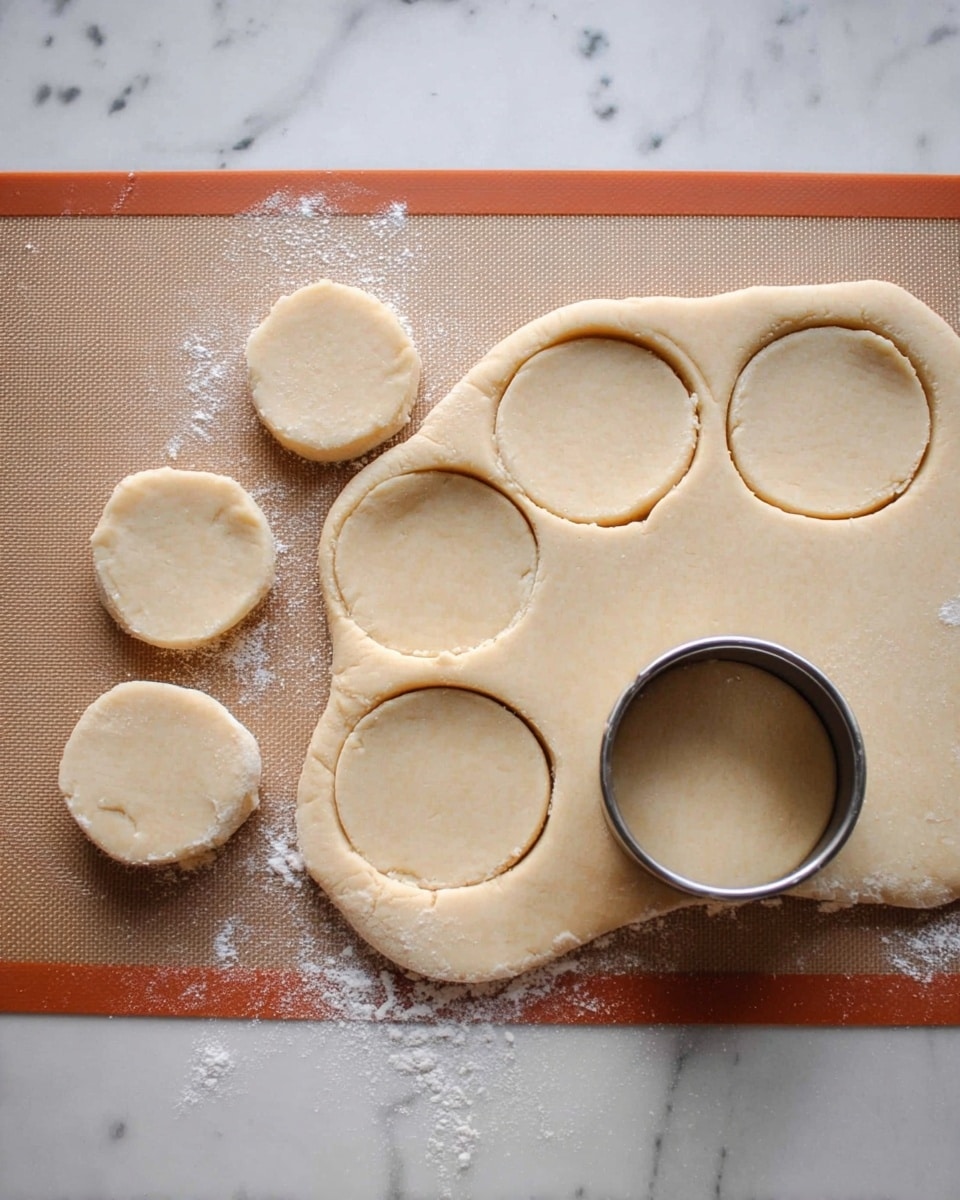
Step 5: Roll out the dough to a uniform ½-inch thickness. Use a 2-inch round cookie cutter to cut out your cookies. Transfer them carefully to a parchment-lined baking sheet. For an authentic touch, prick each cookie in the center with a fork to help them bake evenly.
Step 6: Gather the scraps, reroll, and cut out as many more cookies as possible. You may have a small leftover piece at the end—that’s perfectly normal.
Step 7: Chill the cookie dough in the refrigerator for at least 20 minutes. This step is key for preventing spreading and helps the cookies maintain that perfect shape during baking.
Step 8: While the dough chills, preheat your oven to 300°F (150°C). This low temperature ensures the cookies bake gently, resulting in that tender, buttery texture shortbread is known for.
Step 9: Line a half baking sheet with parchment paper and arrange 12 cookies spaced evenly apart. Make sure they have room to breathe for even baking.
Step 10: Bake the cookies for 25 to 30 minutes. Keep an eye on the bottoms—they should be lightly golden but not browned. This gentle color signals that they're baked through without drying out.
Step 11: Remove the cookies from the oven and let them cool on the baking sheet for about 5 minutes before transferring to a wire rack to cool completely. This resting time helps them firm up and finish setting.
Step 12: If you’re baking multiple batches, allow your baking sheet to cool completely before placing the next batch of cookies on it to avoid uneven baking.
Servings and Timing
This No-Spread Buttery Shortbread Cookies Recipe yields about 24 cookies, perfect for sharing or enjoying over several days. The prep time is quick—about 15 minutes to mix and roll out the dough. Then you’ll want to chill the dough for at least 20 minutes, which is essential for that perfect texture. Baking time is roughly 25 to 30 minutes per batch at 300°F. Altogether, you’re looking at about 1 hour and 5 minutes from start to finish, including cooling time—a great option for a relaxed afternoon project.
How to Serve This No-Spread Buttery Shortbread Cookies Recipe

When I serve these shortbread cookies, I love to keep things simple and let their buttery flavor shine. They are absolutely divine on their own, but pairing them with a cup of fragrant tea—like Earl Grey or chamomile—elevates the experience. For a little extra indulgence, I sometimes dust them lightly with powdered sugar or add a small dollop of lemon curd or raspberry jam on the side.
Presentation-wise, I find these cookies gorgeous on a rustic wooden board, stacked in neat piles or arranged in small groups for an inviting display. Adding a handful of fresh berries or edible flowers around the plate instantly brightens the scene. For parties, I will sometimes drizzle a bit of melted dark chocolate or sprinkle crushed pistachios on some of the cookies to give guests delightful variety.
These shortbread cookies also make a charming companion to beverages beyond tea. They go wonderfully with a glass of dessert wine like Moscato or a light sparkling rosé. For non-alcoholic options, a creamy vanilla latte or even chilled milk are ideal. I typically serve these cookies at room temperature but doing a quick warm-up for 10 seconds in the microwave can melt the butter just enough for an even more heavenly bite.
Variations
Over time, I've found a few ways to play with this No-Spread Buttery Shortbread Cookies Recipe that keep it fresh and exciting. For example, swapping out a third of the all-purpose flour with almond flour adds a lovely nutty note and tender crumb. If you want to give a subtle twist, adding a teaspoon of finely grated lemon zest or a splash of vanilla extract gives the dough a bright, aromatic lift.
If you or your loved ones have dietary restrictions, I’ve also experimented with making a vegan version by using plant-based butter and a mild neutral oil to maintain fat content. Gluten-free flour blends can replace all-purpose flour, but I recommend a mix that includes xanthan gum to keep the dough cohesive since shortbread relies heavily on structure from flour. The dough texture will be slightly different but still quite delicious.
For a fun spin, I’ve tried baking these cookies as shortbread bars instead of rounds by pressing the dough evenly into a pan and cutting into squares after baking. This method saves time on shaping and still yields buttery pockets of goodness. And if you want a sprinkle of extra decadence, try adding finely chopped toasted nuts or a few chocolate chips folded into the dough just before rolling out.
Storage and Reheating
Storing Leftovers
I usually store leftover shortbread cookies in an airtight container at room temperature. A good-quality tin or a cookie jar with a tight seal works beautifully to keep the cookies fresh and maintain their delicate texture. Stored this way, they stay delicious for up to two weeks, which is perfect for enjoying them slowly or gifting in batches.
Freezing
Freezing these cookies is totally doable and a great way to keep a stash on hand. I prefer to freeze them after they've been baked and fully cooled. Simply place the cookies in a single layer on a parchment-lined sheet to freeze initially, then transfer them to a freezer-safe airtight container or a zip-top bag, separating layers with parchment paper. They keep wonderfully for up to 3 months. When you're ready to enjoy, let them thaw at room temperature, and they'll taste just as fresh as day one.
Reheating
To enjoy your No-Spread Buttery Shortbread Cookies freshly warm, I recommend reheating gently in the oven at 275°F for 5 to 7 minutes. This keeps them crisp on the outside while softening the center slightly. Avoid microwaving for too long, as that can make them chewy or cause the butter to separate. This gentle reheating brings out the richness and makes them feel like you just baked them all over again.
FAQs
Can I use salted butter instead of unsalted butter?
Yes, you can, but I suggest reducing or omitting the added kosher salt to prevent the cookies from becoming overly salty. Using unsalted butter gives you complete control over the saltiness for a balanced flavor.
Why does the dough look crumbly at first?
The dough looks crumbly because of the high flour-to-fat ratio typical for shortbread. When you first mix in the flour, it hasn't fully come together yet. Mixing on medium speed after the initial combine helps the dough come together into a cohesive ball.
What is the purpose of pricking the cookies with a fork?
Pricking the cookies allows steam to escape during baking, preventing bubbles or cracks and helping the cookies bake evenly and retain their shape.
Can I add flavors like vanilla or spices to this recipe?
Absolutely! Adding a teaspoon of vanilla extract or a pinch of cinnamon, nutmeg, or cardamom can add a lovely twist. Just mix it in with the butter and sugar before adding flour.
What if I don’t have a stand mixer?
You can easily make this dough by hand using a pastry cutter or two forks to combine the butter and sugar until smooth, then gradually stirring in flour until the dough comes together. It will take a bit more elbow grease but works just fine.
Conclusion
I hope you feel inspired to bake this No-Spread Buttery Shortbread Cookies Recipe yourself because it has truly become one of my favorite easy indulgences. The buttery richness, simple ingredients, and effortless technique make it a timeless treat that brings joy with every bite. Whether you’re baking for the family, a special occasion, or just because, these cookies promise to deliver that cozy, comforting sweetness we all crave. Give them a try—you’ll be hooked!
PrintNo-Spread Buttery Shortbread Cookies Recipe

These No-Spread Buttery Shortbread Cookies are a classic treat featuring a rich, tender crumb with a perfectly tender texture that holds its shape during baking. Made with simple ingredients like unsalted butter, sugar, and flour, these cookies are easy to prepare and deliver a delicate buttery flavor without spreading out in the oven. Perfect for any occasion, they're a delightful combination of crisp edges and a melt-in-your-mouth center.
- Prep Time: 15 minutes
- Cook Time: 30 minutes
- Total Time: 1 hour 5 minutes
- Yield: 24 cookies
- Category: Dessert
- Method: Baking
- Cuisine: American
Ingredients
Dry Ingredients
- 12 ounces (340 grams) all-purpose flour
- 4 ounces (114 grams) granulated sugar
- ½ teaspoon kosher salt
Wet Ingredients
- 8 ounces (227 grams) unsalted butter, room temperature
Instructions
- Mix Butter, Sugar, and Salt. Place the granulated sugar, softened unsalted butter, and kosher salt in the bowl of a stand mixer fitted with the paddle attachment. Mix on medium speed until the mixture is smooth and creamy, approximately 2 minutes.
- Add Flour. Stop the mixer and scrape down the sides of the bowl to ensure even mixing. Add all the all-purpose flour at once, then turn the mixer to low speed to incorporate. The dough will initially appear crumbly.
- Combine Dough. Increase the mixer speed to medium and continue mixing until the dough comes completely together into a cohesive ball.
- Prepare for Rolling. Turn the dough onto a lightly floured surface, or alternatively, onto parchment paper or a Silpat mat to prevent sticking.
- Shape Dough. Use your hands to shape the dough into a rectangle and lightly flour the top to prevent the rolling pin from sticking. Roll the dough to about ½ inch thickness.
- Cut Cookies. Using a 2-inch round cookie cutter, cut out the cookies. Place each cookie on a parchment-lined board or cookie sheet. Prick the center of each cookie with the tines of a fork to allow even baking and prevent puffing.
- Reroll Dough. Gather the remaining dough scraps, gently reroll and continue cutting out cookies until all dough is used, leaving only a small leftover piece.
- Chill Dough. Place the cut cookie dough onto a baking sheet and chill in the refrigerator for at least 20 minutes to help maintain shape during baking.
- Preheat Oven. While chilling, preheat the oven to 300 degrees Fahrenheit (150 degrees Celsius).
- Arrange Cookies for Baking. Line a half baking sheet with parchment paper and evenly space 12 cookies on the sheet.
- Bake Cookies. Bake for 25 to 30 minutes until the bottoms of the cookies are lightly golden brown.
- Cool Slightly. Remove cookies from the oven and allow them to cool on the baking sheet for about 5 minutes to firm up.
- Transfer to Rack. After cooling slightly, carefully transfer the cookies to a wire rack to cool completely.
- Cooldown Baking Sheet. If baking multiple batches, allow the baking sheet to cool completely before placing the next batch of cookies on it to prevent uneven baking.
- Storage. Store the fully cooled shortbread cookies in an airtight container for up to 2 weeks to maintain freshness.
Notes
- Chilling the dough before baking is key to preventing the cookies from spreading and helps them maintain their shape.
- Pricking the center of each cookie with a fork ensures even baking and prevents puffing.
- Use room temperature butter to ensure proper creaming with the sugar for a tender texture.
- If you do not have a stand mixer, you can mix the ingredients by hand using a sturdy spoon or a hand mixer at medium speed.
- These cookies are best stored in an airtight container at room temperature and consumed within two weeks for optimal flavor and texture.


Leave a Reply